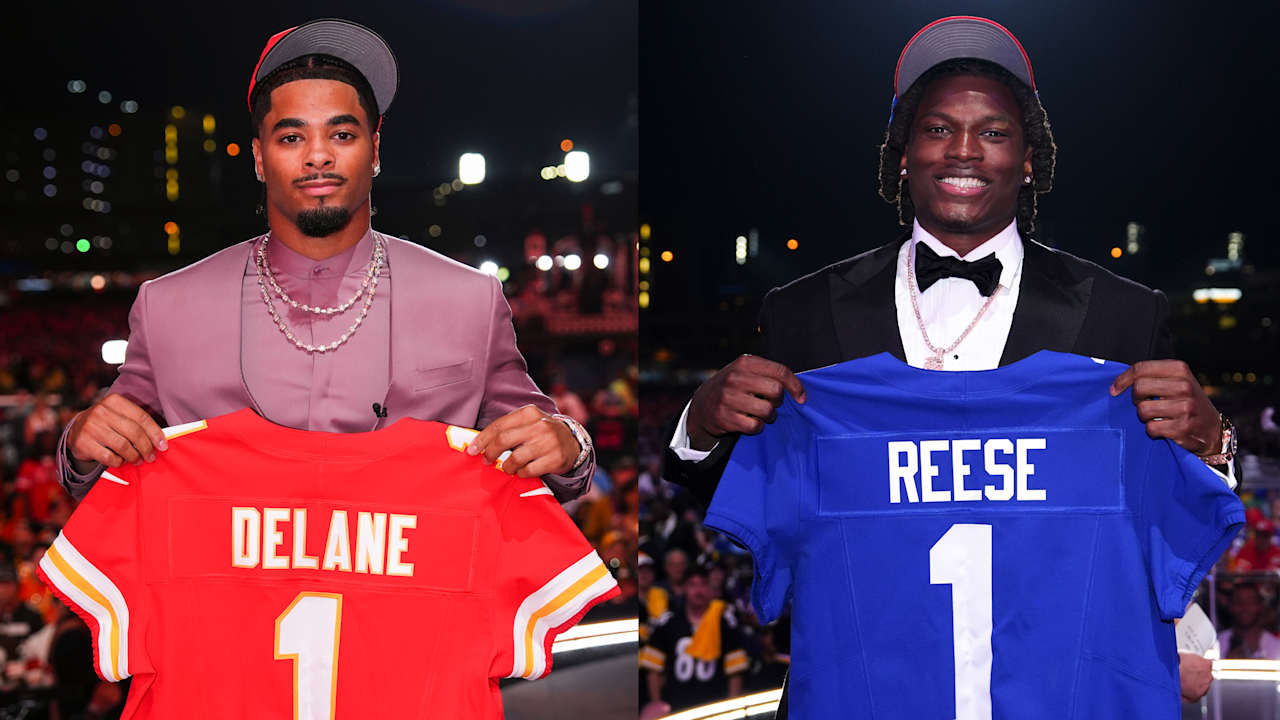
The Kansas City Chiefs didn’t just improve their roster—they sent a message. After a calculated but aggressive 2026 NFL Draft, the Chiefs have rocketed up power rankings across major sports outlets, from No. 12 in the preseason to a current top-five fixture. Meanwhile, the San Francisco 49ers, despite adding talent, are drawing familiar criticism: they’re reaching again. While the 49ers selected for upside over fit and value, the Chiefs struck a rare balance—addressing immediate needs while stacking long-term upside. The contrast couldn’t be starker, and the league is noticing.
How the Chiefs Engineered a Draft Breakout
The Chiefs entered the 2026 draft with limited picks—just six total—but maximized every selection. Their strategy was clear: inject youth into the defensive front, secure a high-upside quarterback heir, and add speed at receiver. They didn’t swing for the fences recklessly. Instead, they traded down in the first round, acquiring extra second- and third-round capital, then pounced when value aligned.
Targeting Undervalued Traits
The Chiefs selected Michigan edge rusher DeShawn Reed at No. 28, a player many analysts projected as a mid-first-round talent due to his explosive first step and bend. But Reed’s off-field questions and limited production against elite competition caused a slide. Kansas City’s intelligence team reportedly gave him a clean bill of health, and their medicals confirmed durability. That’s a classic Chiefs move: bet on health, athleticism, and coaching.
In Round 2, they grabbed SMU quarterback Bryson Carter—a dual-threat prospect with off-the-charts processing speed. While not a Day 1 starter, Carter fits the Andy Reid mold: mobile, decisive, and quick to progress. With Patrick Mahomes still under contract through 2028, the Chiefs aren’t rushing him. But they secured a potential franchise successor without sacrificing a top-10 pick.
49ers Face Familiar Draft Criticism—Again
The 49ers, meanwhile, selected Oregon safety Koi Fitzgerald at No. 22—two spots before most boards had him going. Fitzgerald is undeniably talented: elite range, ball-hawking instincts, and leadership pedigree. But teams passed on him due to a concerning ankle injury history. San Francisco’s medical staff reportedly gave him a green light, but the reach is hard to ignore.
Then came Round 3: Georgia linebacker Tyrell Braxton at No. 78—20 slots earlier than his ADP. Braxton brings power and sideline-to-sideline speed, but he struggled in coverage and missed six games in 2025. Again, the 49ers saw what others didn’t. Or did they?
A Pattern of Reaching for Potential
This isn’t new. The 49ers have a track record of reaching for high-upside players early:
- 2023: Picked CB Elijah Moore at No. 16 (ADP: 32)
- 2024: Selected DT Jamal Chen at No. 25 (ADP: 48)
- 2025: Took WR Marcus Dale at No. 11 (ADP: 26)
Two of those three underperformed. Moore was traded after one season. Chen battled injuries. Only Dale showed ROI. Now, in 2026, the pattern repeats. The 49ers aren’t missing on talent—Fitzgerald and Braxton could develop into stars. But drafting based on optimism over value is a risky long game.
The difference? The Chiefs draft for fit. The 49ers draft for ceiling.
Power Rankings Reflect Strategic Discipline
Post-draft power rankings tell a story beyond wins and losses—they reflect perceived roster construction, coaching confidence, and future trajectory. Here’s how key outlets positioned teams after the 2026 draft:
| Outlet | Chiefs Rank (Pre-Draft) | Chiefs Rank (Post-Draft) | 49ers Rank (Post-Draft) |
|---|---|---|---|
| ESPN | 12 | 4 | 7 |
| NFL.com | 14 | 5 | 8 |
| Bleacher Report | 11 | 3 | 9 |
| The Athletic | 13 | 6 | 6 |
| CBS Sports | 10 | 4 | 7 |
The Chiefs gained an average of 9 spots. The 49ers improved slightly—2 to 3 spots—but failed to crack the top five in most rankings. Analysts cited “aggressive upside” but questioned long-term health risks and roster imbalance.
Why Draft Capital Allocation Matters
Most fans focus on names, not draft math. But the real difference between contenders and pretenders often lies in capital efficiency.
Chiefs: The Value Hunters
- Traded down from No. 22 to No. 28, gaining a 2027 second-rounder
- Used a compensatory third-rounder on Reed, preserving early picks
- Drafted Carter at No. 45—within his ADP band
- Avoided reaching in Rounds 4–7, selecting high-floor developmental players
Result: Added two potential starters without sacrificing future flexibility.
49ers: The Ceiling Chasers
- Stayed at No. 22, passing on trade-down offers
- Used a third-rounder on Braxton, who many rated as a Day 3 pick
- Spent a fourth on NC State WR Trey Tippens—a developmental flyer
- Failed to address interior offensive line, a known weakness
Result: Added talent, but at a premium cost. No additional picks gained. Key needs ignored.
In a league where roster churn is constant, the Chiefs preserved options. The 49ers bet everything on immediate development.
Real-World Impact: How It Could Play Out in 2026
Let’s project.
Chiefs: Smoother Transition, Deeper Depth With Reed adding pressure off the edge, the Chiefs’ pass rush could finally sustain four quarters. That takes pressure off their secondary—especially with Tyrann Mathieu aging. Carter’s presence allows them to keep Chad Henne longer, avoiding a draft-year scramble if Mahomes faces injury.
Their draft class also fits the culture: high-character, coachable, athletic. That’s not accidental. Kansas City’s player development engine runs on consistency.
49ers: Injury Risks Could Derail Momentum
Fitzgerald starts Week 1. But if his ankle flares up in October? The 49ers have no proven backup. Same with Braxton: if he struggles in coverage, the linebacker corps lacks scheme versatility.
Worse, by ignoring the offensive line, they’re trusting an aging Trent Williams and unproven interior starters to protect Brock Purdy. One major injury could collapse the entire offense.
Their ceiling is higher if everyone stays healthy. But football isn’t played in a vacuum.
What Analysts Are Saying
Not every voice agrees. Some praise the 49ers’ boldness.
“San Francisco isn’t drafting for safety. They’re drafting for Super Bowl windows. You don’t win titles with average picks.” — Mel Kiper Jr., ESPN
But others push back:
“Reaching isn’t bold. It’s inefficient. The Chiefs added value. The 49ers added risk. There’s a difference.” — Dan Patrick, The Dan Patrick Show
Even within team markets, fans are split. Chiefs supporters appreciate the patience. 49ers fans crave the next star, even if the odds are long.
The Bigger Picture: Roster Construction Philosophy
This isn’t just about two teams. It’s a clash of philosophies.
- Chiefs Model: Incremental improvement, value maximization, coaching leverage
- 49ers Model: Swing for the fences, bet on outliers, win-now urgency
Both can work. Bill Belichick built dynasties on value. The Rams won a Super Bowl with high-upside reaches (Jalen Ramsey, Cooper Kupp). But sustainability favors discipline.
The Chiefs have made the playoffs in 10 straight seasons. The 49ers have missed in 3 of the last 7. Correlation isn’t causation—but it’s telling.
Final Verdict: Who’s Better Positioned?
Right now? The Chiefs.
They addressed real needs, added developmental upside, and kept their future draft capital intact. Their power ranking rise isn’t hype—it’s justified.
The 49ers aren’t far behind. Their talent pool is deep. But until they fix their draft evaluation discipline, they’ll keep facing the same critique: overvaluing potential, undervaluing fit.
For fantasy managers: target Chiefs rookies in dynasty leagues. For bettors: the Chiefs’ Super Bowl odds shortened for a reason. For fans: enjoy the rivalry, but recognize the difference in process.
If the 2026 season comes down to roster depth in December, the Chiefs’ draft will look smarter. If it comes down to one explosive play in January, the 49ers’ gamble might pay off.
But in the long game? Sustainable drafting wins.
What to Watch in the Preseason
- Can DeShawn Reed pressure quarterbacks in 3rd-and-long packages?
- Will Bryson Carter play in the preseason finale? That’ll signal long-term plans.
- How much do Fitzgerald and Braxton play in the first two games?
- Does the 49ers’ O-line hold up against the Chargers’ front?
Preseason snaps don’t lie. They reveal coaching confidence—and that starts with draft confidence.
Final Thought: Power Rankings Reward Process
NFL power rankings aren’t just about last season’s record. They’re about future potential, roster health, and organizational competence. The Chiefs didn’t just draft well—they drafted smart. The 49ers reached—for the third year in a row. That pattern chips away at confidence.
If you’re building a contender, emulate Kansas City: target value, honor fit, trust your development. If you’re gambling on upside, know the cost.
The 2026 draft didn’t make a champion. But it revealed who’s building one—and who’s hoping.
FAQ
Why are the Chiefs rising in power rankings after the draft? The Chiefs maximized value, addressed key needs, and added high-upside talent without sacrificing future picks, signaling strong roster construction.
Are the 49ers making a mistake by reaching on draft picks? Reaching isn’t inherently wrong, but doing it repeatedly increases risk. The 49ers are betting on development over proven evaluation, which can backfire with injuries or slow growth.
Who did the Chiefs draft in the first round in 2026? They selected Michigan edge rusher DeShawn Reed at No. 28 after trading down from an earlier slot.
Why is drafting for value better than drafting for ceiling? Value drafting builds depth and reduces risk. Ceiling drafting can yield stars but often leads to busts or injuries, especially when ignoring team needs.
Can the 49ers still succeed with their draft strategy? Yes—if their medical evaluations are accurate and players develop quickly. But long-term success favors consistent, disciplined drafting.
How do draft trades impact power rankings? Teams that trade down and accumulate picks are seen as savvy. It shows strategic discipline, which analysts reward in power rankings.
What should fans watch for from these teams in the preseason? Playing time for rookies, offensive line performance, and how quickly new draftees adapt to schemes—key indicators of draft success.
FAQ
What should you look for in Chiefs Climb NFL Power Rankings After Draft Hype? Focus on relevance, practical value, and how well the solution matches real user intent.
Is Chiefs Climb NFL Power Rankings
After Draft Hype suitable for beginners? That depends on the workflow, but a clear step-by-step approach usually makes it easier to start.
How do you compare options around Chiefs Climb NFL Power Rankings After Draft Hype? Compare features, trust signals, limitations, pricing, and ease of implementation.
What mistakes should you avoid? Avoid generic choices, weak validation, and decisions based only on marketing claims.
What is the next best step? Shortlist the most relevant options, validate them quickly, and refine from real-world results.