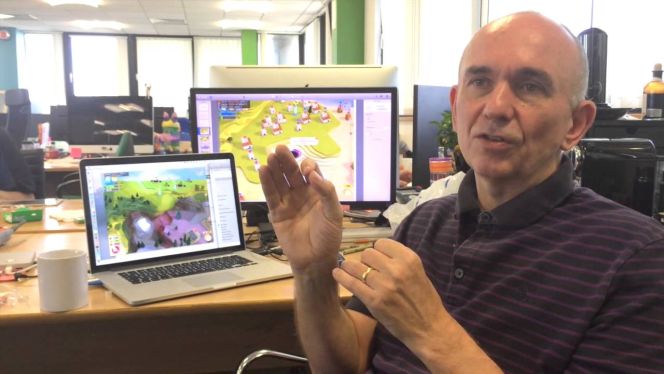
Peter Molyneux is a name that once commanded reverence in the gaming world. Creator of genre-defining titles like Populous, Dungeon Keeper, and Black & White, he was heralded as a visionary—the kind of designer who could transform player imagination into digital reality. But behind the glow of early acclaim lies a trail of disillusioned backers, abandoned projects, and financial wreckage. His later career, particularly after Lionhead Studios' decline, became a case study in how unchecked ambition and over-promising can cost real people real money.
The fallout wasn’t limited to gamers disappointed by unfinished experiences. Real investors, crowdfunding contributors, and junior developers poured time, capital, and careers into projects that never delivered. This is the story of those who lost big on Molyneux’s failed legacy.
The Rise and Fall of a Gaming Legend
Molyneux’s fall from grace didn’t happen overnight. It was a slow erosion of credibility, accelerated by the rise of crowdfunding and direct-to-consumer promises.
After selling Lionhead Studios to Microsoft in 2006, Molyneux remained a celebrated figure—until Fable: The Journey (2012), a motion-controlled Kinect game, was widely panned. It marked a turning point. The game felt like a betrayal of everything Lionhead once stood for. Then, Molyneux left Microsoft in 2012, publicly declaring he had “broken promises” and wanted to return to innovation.
He launched 22cans, a new studio, and immediately turned to Kickstarter.
Godus: The Crowdfunding Dream That Became a Nightmare
In 2012, Molyneux launched a Kickstarter campaign for Godus, a spiritual successor to Populous. The pitch was intoxicating: a god game with infinite terrain, emotional worshippers, multiplayer competition, and a procedurally generated world that evolved over time.
The campaign raised £526,618—over 500% of its original goal. Backers ranged from nostalgic fans to serious investors betting on Molyneux’s return to form.
But Godus never became the game promised.
The version released in 2014 was a bare-bones prototype: flat, lifeless, and functionally limited. Features like multiplayer, world evolution, and emotional AI followers were delayed indefinitely. By 2017, Molyneux admitted Godus had “not lived up to expectations.” In 2020, the servers shut down without warning.
Who Lost What?
- Individual Backers: Many paid over £30 for “Producer” or “God-tier” rewards. Some invested £100+ for physical collectibles that never shipped.
- Investors: A private funding round followed the Kickstarter. Though exact figures are undisclosed, insider reports suggest millions were committed based on optimistic projections.
- Junior Developers: 22cans hired talent based on the promise of a groundbreaking game. When Godus stalled, layoffs followed. Careers were disrupted.
One backer on Reddit summed it up: “I backed Godus because I believed in Molyneux. I lost £40. But I also lost faith in the idea that creators owe anything to their fans.”
The Ripple Effect on Developers and Studios
Molyneux’s missteps didn’t just damage trust—they altered career paths.
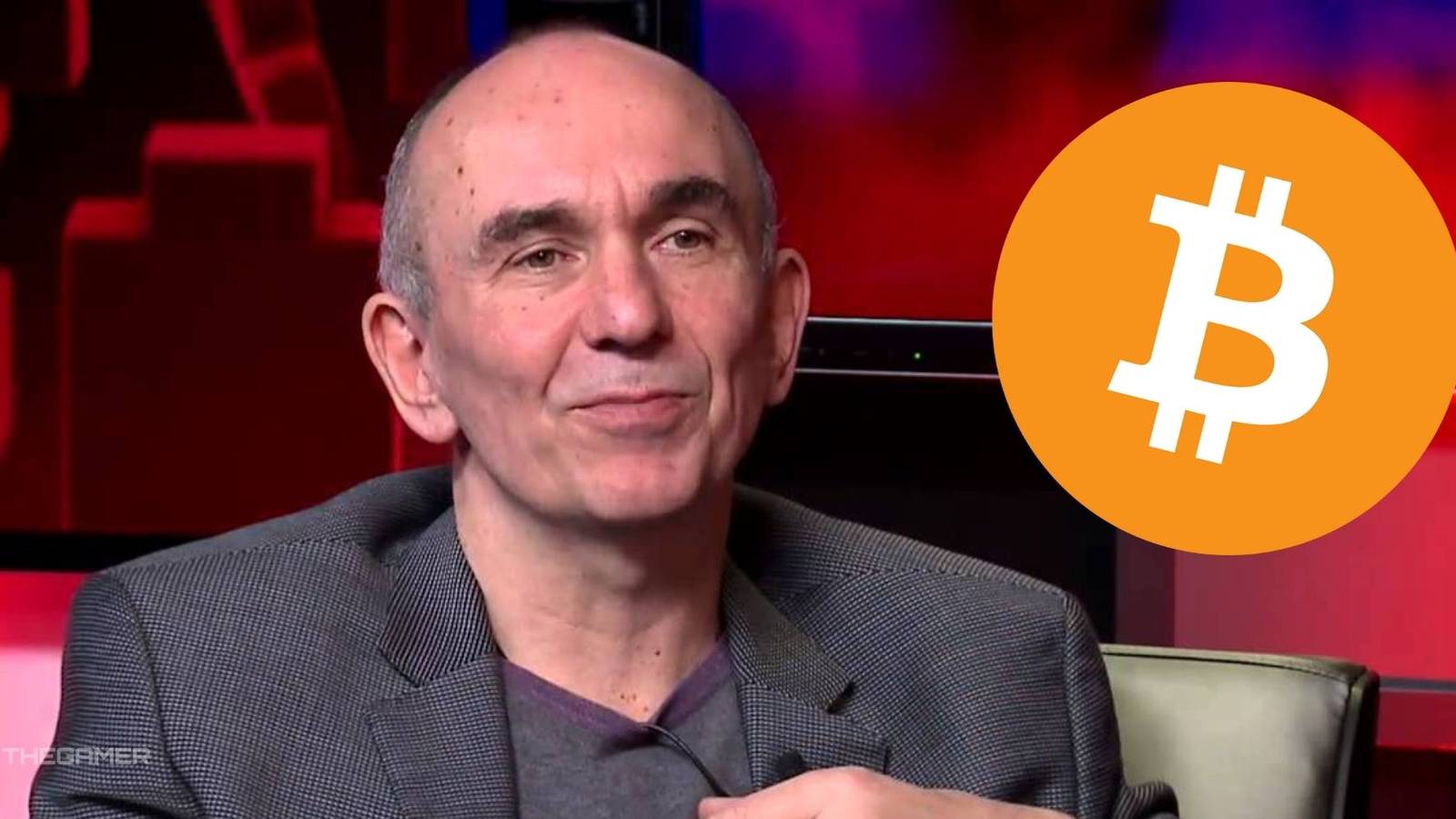
22cans was not a large studio. At its peak, it employed fewer than 20 people. But those employees bet on Molyneux’s name. Many left established jobs to help build what they thought would be a modern classic.
When Godus failed to evolve, morale crumbled. Some developers reported creative stagnation, with Molyneux endlessly tweaking prototypes instead of shipping a product. One anonymous developer told Eurogamer:
“We were stuck in a loop. New features were added, then scrapped. The roadmap kept changing. It felt less like development and more like performance art.”
By 2016, most of the original team had left. The few who remained shifted focus to mobile games—Curiosity 2, The Trail—which, while profitable, lacked the ambition of Godus.
The Mobile Pivot: Chasing Revenue Over Vision
After Godus floundered, 22cans released The Trail: Frontier Challenge in 2015. A simple endless runner with crafting mechanics, it was a commercial surprise—topping app store charts and generating significant revenue through in-app purchases.
But the success came at a cost.
Fans accused Molyneux of abandoning his vision for quick monetization. The Trail required no emotional AI, no procedural worlds—just swipe mechanics and loot boxes. It was the antithesis of Godus.
More troubling: Molyneux began using The Trail to fund Godus. In a now-infamous update, he asked players to “buy gems in The Trail to help finish Godus.” The backlash was immediate. Critics called it a bait-and-switch—one game used as a cash cow to prop up another’s failure.
Investors who had believed in a high-art god game were now funding a mobile grind.
The Cost of Over-Promising in the Age of Hype
Molyneux’s problem wasn’t just execution—it was his relationship with reality.
For years, he cultivated a persona of the eccentric genius, prone to making grand claims in interviews. He once claimed Black & White’s creature would “develop true emotions.” It didn’t. He said Fable would feature a world where “every decision matters.” It didn’t. And with Godus, he promised a game that would “evolve beyond what we can imagine.”
These weren’t just marketing oversights. They were systemic misrepresentations that shaped financial decisions.
Real-World Consequences:
- Crowdfunding Backers: Over 11,000 people funded Godus based on promises that were never fulfilled. Most received a stripped-down version of the game and no refunds.
- Publishing Partners: Though 22cans was independent, distribution deals with platforms like Steam and iOS required revenue sharing. When Godus underperformed, those partners saw diminished returns.
- Early Employees: Several team members took pay cuts or equity stakes, betting on long-term success. When the studio pivoted to mobile, their equity became nearly worthless.
- Reputation Damage: Junior developers associated with 22cans found it harder to land jobs. Recruiters questioned judgment—“Why did you work on Godus?”
The Broader Industry Warning
/cdn.vox-cdn.com/uploads/chorus_image/image/70269281/112379621.0.jpg)
The Godus fiasco wasn’t isolated. It reflected a larger problem in gaming: the danger of personality-driven development.
When a single figure becomes the face of a project, accountability blurs. Molyneux wasn’t just a designer—he was the brand. That made it easier for backers to overlook red flags.
Compare this to studios like Mojang or CD Projekt Red. Even when delays happened (e.g., Cyberpunk 2077), the blame was distributed across teams and systems. With Molyneux, the failure was personal.
Lessons for Backers and Investors:
- Verify Roadmaps: Promises like “infinite worlds” or “AI worshippers” require technical feasibility studies. If none are shared, be skeptical.
- Demand Transparency: Regular, honest updates are essential. Vague progress reports are warning signs.
- Evaluate Track Records: Past success doesn’t guarantee future delivery—especially after major studio transitions.
- Understand Equity vs. Crowdfunding: Crowdfunding backers have no legal recourse if a game fails. They’re donors, not investors.
The Human Cost Behind the Headlines
Behind every failed game are real people—people who believed.
Take “James,” a UK-based teacher and lifelong Molyneux fan. He backed Godus at the £50 tier, expecting early access, a digital artbook, and a physical statue. He got early access to a glitchy alpha. The artbook came months late. The statue never arrived.
“I didn’t do it for the rewards,” James said. “I did it because I wanted to help bring back the guy who made Dungeon Keeper. I feel stupid now.”
Or consider “Lena,” a game designer who joined 22cans in 2014. She left two years later, exhausted and disillusioned. “I thought I was working on the future of simulation games. Instead, I spent months debugging a tutorial for a mobile hiking game.”
Their stories aren’t rare. They’re typical.
Where Is Molyneux Now?
As of 2024, Peter Molyneux remains active. 22cans continues to operate, supporting The Trail and exploring new mobile concepts. Molyneux gives occasional interviews, often reflecting on his past with a mix of regret and defiance.
He hasn’t launched another major Kickstarter. He hasn’t returned to PC god games. But he still speaks in grand terms—talking about “games that change lives” and “AI-driven narratives.”
Fans wonder: Is he still dreaming too big? Or has he finally learned restraint?
A Legacy of Lost Trust
Peter Molyneux’s contributions to gaming are undeniable. But legacy isn’t just about what you build—it’s about what you owe.
The players who lost money on Godus weren’t just funding a game. They were investing in a promise. And when that promise broke, it wasn’t just a product that failed—it was a relationship.
For investors, developers, and fans alike, the lesson is clear: Vision without delivery is just vaporware. And in the digital age, broken promises don’t just disappoint—they cost real money and real careers.
If you’re backing a game, especially from a charismatic figure, ask: What’s the plan? Who’s accountable? What happens if it fails?
Because the next Peter Molyneux might already be crowdfunding.
FAQ
Who funded Peter Molyneux’s Godus project? Over 11,000 individuals backed Godus on Kickstarter, with additional private investment from undisclosed angel investors and venture sources.
Did backers receive refunds for Godus? No. Kickstarter operates on an all-or-nothing model, but once funds are collected, there is no mechanism for automatic refunds if the project underdelivers.
How much money did Godus raise? The Kickstarter campaign raised £526,618. Additional private funding brought total investment into the millions, though exact figures are not public.
Why did Godus fail to deliver promised features? Development challenges, shifting priorities, technical limitations, and overambitious design goals all contributed. Molyneux admitted the team underestimated the complexity.
Did Peter Molyneux profit from The Trail while Godus stalled? Yes. The Trail became a top-grossing mobile game and generated significant revenue, which 22cans used to sustain operations and partially fund Godus development.
What happened to 22cans employees after Godus failed? Many left due to low morale and lack of progress. Some transitioned to mobile-focused roles; others left the industry entirely.
Can you still play Godus today? No. The servers were shut down in 2020. The game is no longer available for purchase or download.
FAQ
What should you look for in The Players Burned by Peter Molyneux’s Broken Promises? Focus on relevance, practical value, and how well the solution matches real user intent.
Is The Players Burned by Peter Molyneux’s Broken Promises suitable for beginners? That depends on the workflow, but a clear step-by-step approach usually makes it easier to start.
How do you compare options around The Players Burned by Peter Molyneux’s Broken Promises? Compare features, trust signals, limitations, pricing, and ease of implementation.
What mistakes should you avoid? Avoid generic choices, weak validation, and decisions based only on marketing claims.
What is the next best step? Shortlist the most relevant options, validate them quickly, and refine from real-world results.