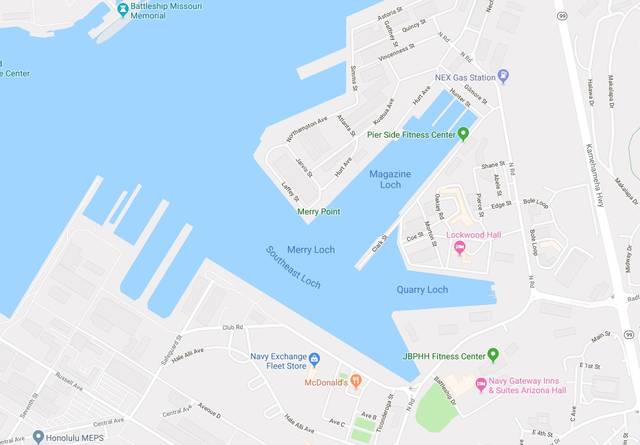
Hawaii’s Department of Health (DOH) has confirmed the detection of mpox virus in a wastewater sample collected from the Pearl Harbor area—a development that has reignited concerns about ongoing community transmission of the virus. While no new clinical cases have been publicly linked to the finding, the presence of viral fragments in sewage is a recognized early warning system for potential disease resurgence. This detection underscores the importance of wastewater monitoring as a frontline public health tool and raises questions about silent spread in Oahu’s population.
The Pearl Harbor wastewater catchment serves a densely populated region, including military personnel, civilian workers, and nearby residential zones. The DOH, in coordination with the Honolulu Board of Water Supply and federal surveillance programs, has been routinely testing wastewater for a range of pathogens, including SARS-CoV-2, influenza, and now mpox. The recent positive signal marks one of the most geographically specific alerts since the 2022 global mpox outbreak subsided.
Why Wastewater Detection Matters for Mpox
Wastewater surveillance has evolved into a powerful, non-invasive method for tracking infectious diseases. Unlike clinical testing, which depends on individuals seeking care and getting tested, wastewater analysis captures population-level data—even from asymptomatic or undiagnosed cases.
Mpox, caused by the monkeypox virus (a member of the Orthopoxvirus family), is primarily transmitted through close, prolonged physical contact, including skin-to-skin contact with lesions, bodily fluids, or contaminated materials. While not as easily spread as airborne viruses like influenza or SARS-CoV-2, mpox can circulate silently in communities, especially among networks where symptoms may be mild or mistaken for other conditions like herpes or insect bites.
The detection in Pearl Harbor does not mean an outbreak is imminent, but it does suggest that someone in the drainage area is shedding the virus—possibly without knowing it. This kind of data allows health officials to:
- Deploy targeted outreach and education
- Increase access to testing in high-risk communities
- Offer vaccinations preemptively
- Monitor trends over time to assess risk
Hawaii’s DOH has not released demographic or behavioral details about potential cases, maintaining privacy while emphasizing vigilance.
How the Detection Was Made
The wastewater sample was collected at a treatment facility serving the Pearl Harbor region as part of Hawaii’s ongoing pathogen surveillance program. The sample underwent PCR (polymerase chain reaction) testing specifically calibrated to detect Orthopoxvirus DNA. While this test cannot confirm active infection or distinguish between mpox and related poxviruses with absolute certainty, sequencing and context typically allow for reliable inference.
This detection is not an isolated event. In 2023 and early 2024, similar signals were observed in wastewater systems in California, New York, and Georgia—often preceding or coinciding with confirmed clinical cases. In some instances, wastewater alerts led to the identification of cases that might otherwise have gone undetected.
Hawaii’s surveillance network is linked to the CDC’s National Wastewater Surveillance System (NWSS), which aggregates data nationwide. Participation in this system allows local officials to benchmark findings against national trends and access technical support for analysis.
What This Means for Oahu Residents
For most residents, the detection does not require drastic action—but it does warrant awareness. The risk of mpox to the general population remains low, and the virus does not spread casually through the air or via surfaces in the way that, say, norovirus might.
However, certain groups remain at higher risk, including:

- Individuals with multiple or anonymous sexual partners
- Men who have sex with men (MSM), particularly those in interconnected social or sexual networks
- People with compromised immune systems
- Those who live with or care for someone with mpox
Symptoms of mpox typically include:
- Fever and chills
- Swollen lymph nodes
- Fatigue
- A distinctive rash that evolves from flat spots to fluid-filled blisters and eventually scabs
The rash often appears on the face, hands, feet, chest, or genitals. Unlike chickenpox, mpox lesions tend to appear at the same stage of development across the body.
Residents who develop these symptoms—especially a new, unexplained rash—should avoid close contact with others, cover any lesions, and seek medical evaluation. Clinicians can collect swab samples from lesions for PCR testing, which is available through the state laboratory and select health care providers.
Public Health Response and Vaccination Access
Following the detection, the DOH has intensified outreach efforts in the Pearl Harbor and urban Honolulu areas. This includes:
- Distributing informational materials to clinics, STD testing centers, and community organizations
- Reinforcing messaging about vaccination eligibility
- Expanding access to JYNNEOS, the FDA-approved vaccine for mpox prevention
The JYNNEOS vaccine is administered in two doses, 28 days apart, and is recommended for individuals who:
- Have been exposed to someone with mpox
- Are at high risk due to sexual behavior or network exposure
- Work in clinical or laboratory settings with potential exposure
Vaccination after exposure can reduce symptom severity or even prevent illness if given within 4 days. Hawaii has maintained a supply of JYNNEOS through federal allocation, and doses are available at selected health departments and partner clinics.
Despite availability, uptake has been inconsistent. Some at-risk individuals report difficulty accessing vaccines due to lack of awareness, stigma, or logistical barriers like work schedules and clinic hours.
Community health advocates stress the need for more culturally competent outreach—particularly in Native Hawaiian, LGBTQ+, and military-affiliated populations—where trust in public health institutions may vary.
Military Implications at Pearl Harbor
Pearl Harbor is home to thousands of active-duty service members, civilian personnel, and contractors. The U.S. military maintains its own health surveillance systems, but they coordinate closely with state and local authorities during public health events.
While the military has not issued a specific alert related to this detection, commanders may reinforce health readiness messaging, particularly in communal living or deployment settings where infectious diseases can spread quickly.
Service members who develop symptoms should report to their medical provider immediately. The Department of Defense has protocols for isolation, contact tracing, and containment of mpox, consistent with CDC guidelines. Vaccination is also available through military health services for eligible personnel.
Given the mobility of military populations—both within Hawaii and globally—the detection serves as a reminder that localized health signals can have broader implications.
Lessons from the 2022 Outbreak
The 2022 global mpox outbreak saw over 30,000 cases in the U.S., with Hawaii reporting dozens. The outbreak highlighted both strengths and gaps in the public health response:
- Strengths: Rapid deployment of vaccines, effective surveillance, and strong community collaboration with LGBTQ+ health organizations.
- Gaps: Vaccine shortages early in the outbreak, inconsistent messaging, and delayed access in rural or underserved areas.
One recurring issue was misdiagnosis. In the early stages, mpox was often mistaken for syphilis, herpes, or allergic reactions. This delayed isolation and contact tracing, allowing further spread.
Today, clinicians are more aware, but complacency is a risk. As the memory of the 2022 outbreak fades, so does urgency. The Pearl Harbor detection should serve as a wake-up call—not of panic, but of preparedness.
What You Can Do: Practical Steps
Residents don’t need to change their daily routines, but they can take simple, proactive steps:
- Know the symptoms—especially the rash pattern and swollen lymph nodes.
- Talk to your doctor if you have concerns or develop a suspicious rash.
- Get vaccinated if you’re at risk or have had a potential exposure.
- Practice harm reduction if sexually active—this includes communication with partners about health and avoiding sex if either party has symptoms.
- Report to health authorities if diagnosed—this helps with contact tracing and outbreak control.
- Avoid stigma—mpox is not limited to any one group, and shaming discourages testing and treatment.
Community-based organizations like the Hawaii LGBT Legacy Foundation and the Sexual Assault Treatment Center (SATC) continue to offer confidential testing, counseling, and vaccine referrals.
Moving Forward: Surveillance as an Early Warning System
The Pearl Harbor detection illustrates the value of sustained wastewater monitoring. Unlike reactive clinical systems, wastewater surveillance provides a real-time snapshot of viral activity—often days or weeks before clinical cases surge.
Hawaii should consider expanding its wastewater network to cover more communities, especially rural and neighbor islands where health infrastructure is limited. Integrating this data with clinical reporting, vaccination rates, and travel patterns could create a more resilient public health framework.
This isn’t about fear—it’s about foresight. Detecting mpox in sewage isn’t a sign of failure; it’s evidence that the system is working.
Closing: Stay Informed, Not Alarmed
The detection of mpox in Pearl Harbor wastewater is a signal, not a crisis. It reflects the success of modern surveillance and the need for continued vigilance. Hawaii has the tools—testing, vaccines, outreach—to prevent another outbreak. What’s required now is awareness, access, and action.
Residents should stay informed through official sources like the Hawaii DOH website and local health clinics. If you’re at risk or develop symptoms, don’t wait—seek care early. And remember: public health works best when everyone plays a part.
Frequently Asked Questions
What does mpox in wastewater mean for my family? It suggests someone in the area may be infected, but the risk of transmission in casual settings is very low. Focus on recognizing symptoms and seeking care if needed.
Can I get mpox from swimming in the ocean near Pearl Harbor? No. Mpox is not transmitted through seawater or recreational swimming. The virus spreads through close personal contact.
Is the JYNNEOS vaccine available to the public in Hawaii? Yes. It’s available to high-risk individuals through the state Department of Health and select clinics. Contact your provider or the DOH for locations.
How accurate is wastewater testing for mpox? It’s highly sensitive for detecting viral fragments but can’t confirm active cases. It’s best used as an early warning alongside clinical data.
Should I avoid going to Pearl Harbor or nearby areas? No. There’s no reason to avoid public places. Mpox isn’t spread through environmental exposure in spaces like museums or parks.
Can pets get mpox from wastewater or infected people? Rarely. While possible through close contact with an infected person, there’s no evidence of transmission via sewage. Keep pets away from individuals with active rashes.
Will this lead to another outbreak in Hawaii? Not necessarily. Early detection increases the chance of containing spread through testing, isolation, and vaccination.
FAQ
What should you look for in MPox Detected in Pearl Harbor Wastewater Sample? Focus on relevance, practical value, and how well the solution matches real user intent.
Is MPox Detected in Pearl Harbor Wastewater Sample suitable for beginners? That depends on the workflow, but a clear step-by-step approach usually makes it easier to start.
How do you compare options around MPox Detected in Pearl Harbor Wastewater Sample? Compare features, trust signals, limitations, pricing, and ease of implementation.
What mistakes should you avoid? Avoid generic choices, weak validation, and decisions based only on marketing claims.
What is the next best step? Shortlist the most relevant options, validate them quickly, and refine from real-world results.