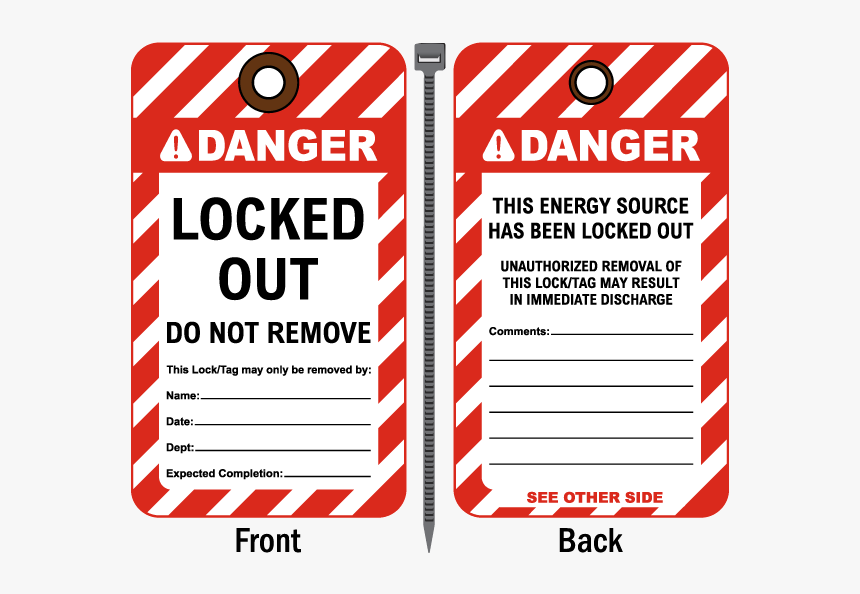
In high-risk industrial environments, a missing tag can mean the difference between a routine maintenance job and a catastrophic accident. Lockout tagout (LOTO) procedures exist to protect workers from unexpected energization of machinery. At the heart of these procedures are the physical tags—clear, durable, and unambiguous signals that equipment is unsafe to operate. Printable lockout tagout tags have emerged as a flexible, cost-effective, and rapidly deployable solution for organizations needing to maintain compliance without sacrificing safety.
These aren’t just signs you print and tape to a machine. Real LOTO tags must meet OSHA standards, withstand environmental stress, and communicate critical information instantly. When done right, printable tags integrate seamlessly into existing safety programs. When done poorly, they create false confidence and compliance gaps.
Let’s break down how printable LOTO tags work, when they’re appropriate, and how to use them effectively in real maintenance and shutdown scenarios.
Why Printable Lockout Tagout Tags Are Gaining Traction
Many facilities still rely on pre-printed tag kits purchased in bulk. While standardized, these kits often fall short when it comes to customization. Suppose your maintenance team needs to lock out a newly installed conveyor system with a unique ID and specific hazards. Standard tags may not include the right fields or warnings.
Printable LOTO tags solve this. They allow safety managers to:
- Fill in unique equipment IDs, work orders, or shift details
- Add facility-specific warnings (e.g., “High-pressure hydraulic system—verify depressurization”)
- Generate tags on-demand during emergency repairs
- Support multilingual workforces with translated hazard statements
This adaptability makes printable tags ideal for dynamic environments—manufacturing floors with rotating equipment, construction sites, or facilities with evolving maintenance protocols.
Key Features of Effective Printable LOTO Tags
Not all printable tags are created equal. A tag that smudges when touched or fades under workshop lighting fails its core purpose. High-quality printable LOTO tags must include:
Durable Material Compatibility Print on polyester, vinyl, or laminated cardstock. Standard printer paper won’t survive oil, moisture, or handling. Many safety supply vendors offer printable tag stock designed for laser or inkjet printers.

Standardized Information Hierarchy Each tag should feature:
- Bold “Do Not Operate” or “Locked Out” header
- Space for employee name and signature
- Equipment ID or location
- Date and shift
- Reason for lockout
- Emergency contact
This structure ensures consistency and reduces misinterpretation.
Visual Safety Cues Use color coding:
- Red for danger (energy isolation)
- Yellow for caution
- Orange for maintenance in progress
Icons or pictograms improve comprehension across language barriers—a critical consideration in diverse workplaces.
Common Mistakes with DIY Printable Tags
Printable doesn’t mean improvised. Many facilities undermine their safety programs with poor execution. Watch out for these red flags:
1. Using flimsy paper tags Paper tags tear easily and offer no resistance to grease, water, or UV exposure. Always use synthetic or laminated stock.
2. Skipping employee training Just because a tag is printable doesn’t mean workers understand its significance. Reinforce that any tag—homemade or commercial—means the equipment is unsafe.
3. Incomplete information A tag with only “Under Maintenance” and no name, date, or hazard details violates OSHA 1910.147. Every tag must be traceable to a responsible individual.
4. Failing to integrate with lockout devices A tag without a lock is just a notice. Always pair with a padlock assigned to the authorized employee.
Top 5 Printable LOTO Tag Solutions
While you can design your own templates, pre-built solutions save time and ensure compliance. Here are five reliable options:
| Solution | Key Features | Printer Type | Best For |
|---|---|---|---|
| Brady BMP61 Label Printer + LOTO Templates | Thermal printing, durable polyester tags, OSHA-compliant designs | Direct thermal | High-volume facilities needing professional-grade output |
| Grainger Printable Tag Sheets | Pre-sized sheets for standard laser printers, poly-coated | Laser/inkjet | Small teams needing quick, affordable tags |
| Seton LOTO Tag Templates (PDF) | Editable PDFs with fillable fields, multilingual options | Any | Offices or facilities using Adobe Acrobat |
| Master Lock TagPrint Software | Design, print, and manage tags with barcode support | Thermal transfer | Enterprises with complex asset tracking |
| DIY Templates (Free Google Sheets/PPT) | Fully customizable, low cost | Any | Limited-budget operations with in-house design skills |
Note: Always verify that your chosen template includes OSHA-required elements: employee name, reason for lockout, date, and clear “Do Not Operate” language.
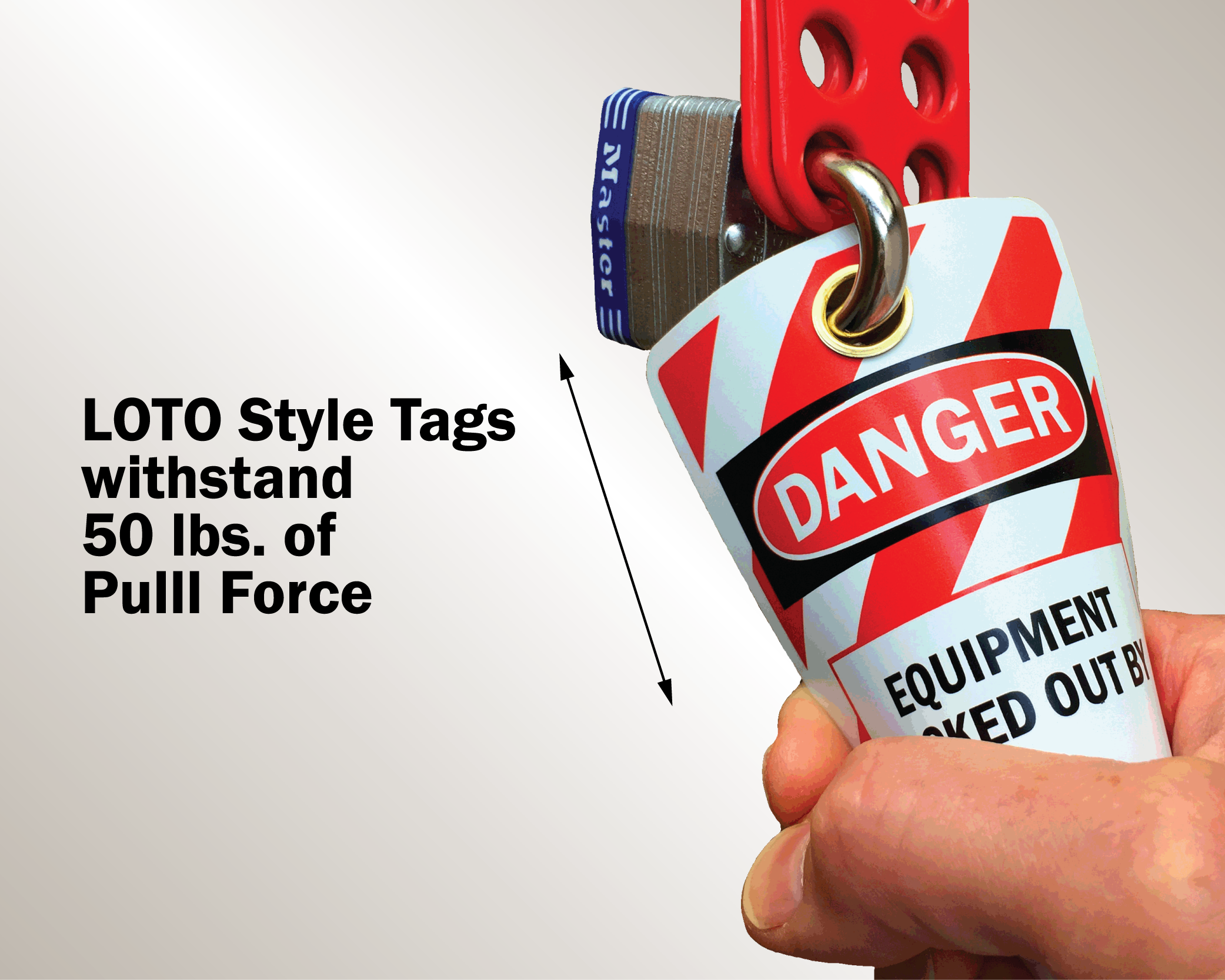
When Printable Tags Shouldn’t Be Used
Printable tags are powerful—but not universal.
Avoid them in: - High-heat or outdoor environments without weather-resistant material - Regulated industries like pharmaceuticals or aerospace, where auditors may require tamper-evident, serialized tags - Facilities with unreliable printing access—if the printer breaks, your LOTO program halts
In these cases, pre-printed, serialized tags with barcodes or RFID are safer choices.
Integration into LOTO Procedures: A Real-World Example
Consider a food processing plant with 12 production lines. During a scheduled cleaning shutdown, a technician must lock out a mixer that combines allergenic ingredients. The standard tag doesn’t include a field for “Allergen Exposure Risk.”
With printable tags, the safety manager creates a custom version that includes: - “Allergen Cleanout in Progress” in bold - A warning: “Do not energize until allergen swab test is complete” - Space for QA supervisor sign-off
This level of specificity prevents cross-contamination incidents and strengthens audit readiness.
Designing Your Own Printable LOTO Tag: A Checklist
Want to create custom tags? Use this checklist before printing:
✅ Include all OSHA-mandated fields ✅ Use high-contrast colors (black on yellow, white on red) ✅ Test print on sample material—check smudge, tear, and fade resistance ✅ Ensure tags fit standard lockout hasps (typically 3" x 6.5") ✅ Store blank tags in a dry, accessible location near lockout stations ✅ Train employees on proper tag completion and accountability
Even a well-designed tag fails if workers treat it as paperwork. Reinforce that signing a tag is a legal and safety commitment.
The Bottom Line: Safety Through Flexibility
Printable lockout tagout tags are not a shortcut—they’re a strategic tool. When used correctly, they enhance compliance, improve communication, and adapt to real-world maintenance complexity. They allow safety programs to evolve without waiting for bulk orders or generic solutions.
But their power depends on discipline. Use durable materials, enforce complete documentation, and integrate them into a broader LOTO protocol that includes locks, training, and audits.
For most mid-sized and agile operations, printable LOTO tags strike the right balance between control and flexibility. They’re not just printable—they’re essential.
Frequently Asked Questions
Can I make my own lockout tagout tags? Yes, as long as they meet OSHA requirements: include employee name, reason for lockout, date, and a clear “Do Not Operate” warning.
Are printable LOTO tags OSHA compliant? They can be—if they’re durable, legible, and contain all required information. Paper tags that degrade quickly are not compliant.
What printer should I use for LOTO tags? A laser printer with laminated stock works for small batches. For heavy use, invest in a thermal transfer printer like the Brady BMP61.
How long should a LOTO tag stay on equipment? Until the authorized employee who applied it removes it—never sooner. Tags should not be reused.
Can digital tags replace printed ones? Not under current OSHA standards. Physical tags with signatures are required. Digital systems can support, but not replace, physical tagging.
Should LOTO tags be multilingual? Yes, if your workforce speaks multiple languages. Use dual-language tags or pictograms to ensure understanding.
What’s the standard size for a LOTO tag? Most are 3" x 6.5" or 2.5" x 4.5"—designed to attach to lockout hasps without obscuring the lock.
FAQ
What should you look for in Printable Lockout Tagout Tags for Workplace Safety Compliance? Focus on relevance, practical value, and how well the solution matches real user intent.
Is Printable Lockout Tagout Tags for Workplace Safety Compliance suitable for beginners? That depends on the workflow, but a clear step-by-step approach usually makes it easier to start.
How do you compare options around Printable Lockout Tagout Tags for Workplace Safety Compliance? Compare features, trust signals, limitations, pricing, and ease of implementation.
What mistakes should you avoid? Avoid generic choices, weak validation, and decisions based only on marketing claims.
What is the next best step? Shortlist the most relevant options, validate them quickly, and refine from real-world results.